Why is it
important to study gender stereotypes?
In
society today, we are bombarded with images that exemplify what is believed to
be the ideal version of beauty. We are scrutinized and pressured to conform
into this mold that the mainstream media has instilled within us from an early
age. Young girls are presented with images of stick thin, beautiful, damsel-in-distress
princesses.
Impact of
Media
It is
important to look the impact of television viewing, not just in terms of Disney
Princess films. According to Lin (2001), once children own videos, they watch
them repeatedly and with the same frequency as television. According to the Kaiser
Family Foundation Report (1999),
children watch an average of 2.5 to 3 hours of television per day, or nearly 20
hours per week. Preschool children spend more time watching videos than do
adolescents (Bryant, 2001; Mares, 1998).
The
Social Learning Theory that states behavior is learned from the environment through the process of
observational learning. According to noted scholar Paula Papalia, Social learning theory, and imitation of models is the most important
element in how children learn gender appropriate behavior (Papalia, Gross,
& Feldman, 2003). And in light of the extensive literature revealing social
modeling as a powerful influence of children's concepts and behavior it would
seem important to closely examine media produced for the use of children, especially
regarding Disney films.
Themes/Messages in Disney Movies
Time Period: 1930s-1990s
Time Period: 1930s-1990s
1)
Marriage/Love is the goal of Disney Heroines
 Kathi Maio , a Boston Journalist, wrote an article called, “Disney
Dolls” on Disney gender roles for the online Magazine, New
Internationalist. Maio recounts Snow
White and the Seven Dwarfs (1937), Disneys first princess film. Maio believes
Snow White set the stage for future princesses to come describing Snow White as
“young, virginal, pretty, sweet-natured
and obedient. Domestic drudgery doesn’t faze her since she is sure that a
handsome owning-class chap will, someday soon, come and save her.”
Kathi Maio , a Boston Journalist, wrote an article called, “Disney
Dolls” on Disney gender roles for the online Magazine, New
Internationalist. Maio recounts Snow
White and the Seven Dwarfs (1937), Disneys first princess film. Maio believes
Snow White set the stage for future princesses to come describing Snow White as
“young, virginal, pretty, sweet-natured
and obedient. Domestic drudgery doesn’t faze her since she is sure that a
handsome owning-class chap will, someday soon, come and save her.”Disney films do not show the process of falling in love. For them it is a very instant reaction that means it will be lasting love. Tanner, Haddock, Zimmerman, and Lund (2010) found that ―the idea that love is ―easy and requires no work is most clearly illustrated in Snow White and the Seven Dwarfs; Snow White manages to fall in love while sleeping on her choked apple. Sleeping Beauty also manages to wake up and instantly be in love. Her prince awoke her with true loves kiss and then they managed to live happily ever after
before even speaking.
In “Images of Gender, Race, Age, and Sexual
Orientation in Disney Feature-Length Animated Films,” Mia Adessa
Towbin and her colleagues from Colorado State University discuss the
portrayals of numerous stereotypical roles in Disney films and the various
conventional images being exposed to children. They state, “Men are
depicted as physically aggressive, non-expressive, and as heroic saviors,
particularly of women. Women are portrayed as beautiful, dependent on
men, and engaged in domestic responsibilities” (Towbin et al. 35).

Cinderella has limited amount of time to find her Prince
Charming or she is stuck in her misery povershed life wearing rags and dealing
with evil stepsisters.
2) Silencing of women

Ariel’s voice is taken from her, and she must rely on just
her looks to win over the man and ultimately achieve what she wants.
2) Beauty as a goal


In Sleeping Beauty, the first gift given to the
baby princess is beauty.
3) Women are saved only through men

etc.), and in the case of Cinderella and The Little Mermaid
their cast of male friends do most of
the work; they rescue Cinderella from the tower or beat the
evil sea witch and gain the prince for
Ariel. Hence, the Disney heroine survives to find happiness
thanks solely to the heroism and
sacrifice of male characters and without experiencing
personal growth or self-empowerment
(O'Brien, 1996).
Themes/Messages Modern Day
Time Period: 2009-2012
While Disney‘s animated films have adapted to cultural changes, their continued representation of traditional gender roles indicates that the films do more to reproduce than change existing social structures.
4) Body Image
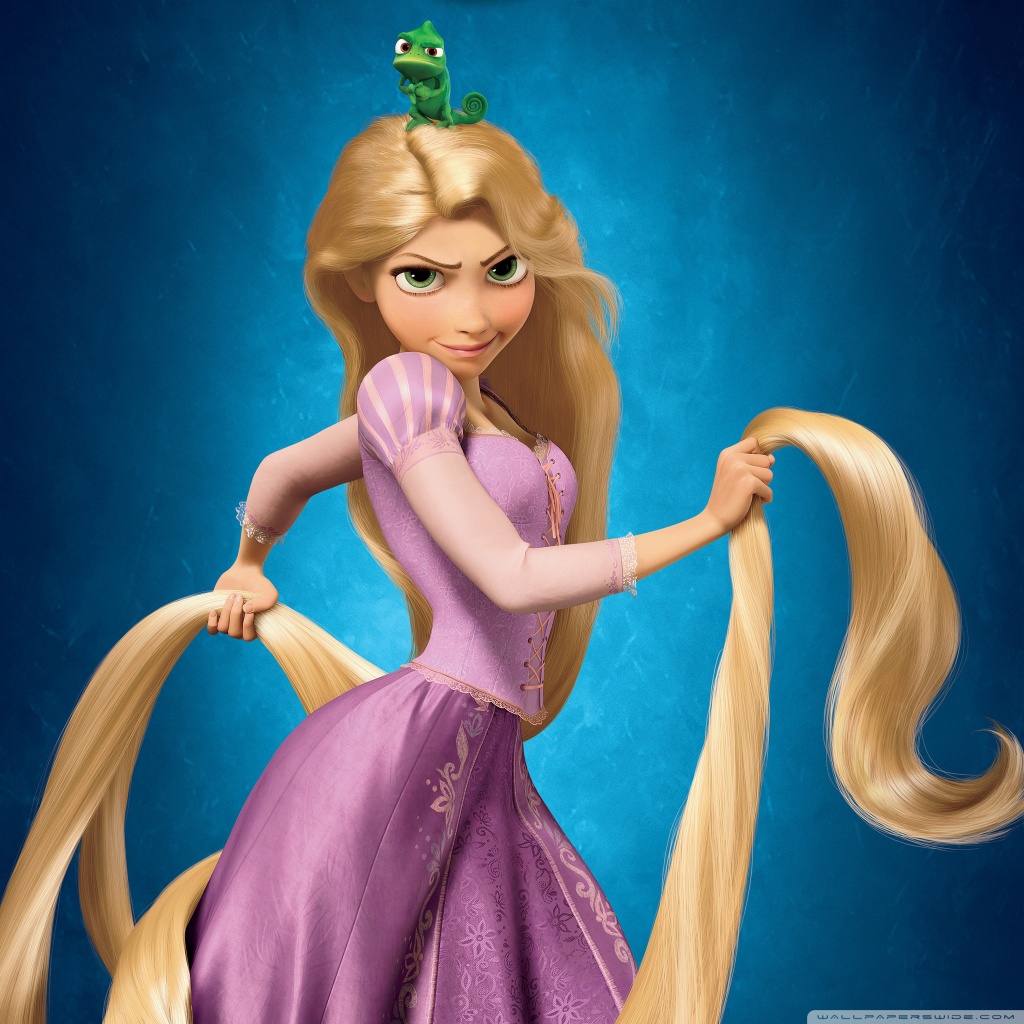

Children and adolescents who are exposed to these images Disney has created display social cognitive theory in that it shapes and molds their perception of what it is to be "feminine."
Themes/Messages Modern Day
Time Period: 2009-2012
While Disney‘s animated films have adapted to cultural changes, their continued representation of traditional gender roles indicates that the films do more to reproduce than change existing social structures.
4) Body Image
While we see a more independent version of this princess, she still is projecting the idea of a skinny waistline to children.
Tangled: Rapunzel
Tangled: Rapunzel

Similarly, while Elsa may shift from a buttoned up-repressed princess to ruling the land; visually Disney has not changed. Blonde hair, big blue eyes, batting eyelashes, and stick thin.
Children and adolescents who are exposed to these images Disney has created display social cognitive theory in that it shapes and molds their perception of what it is to be "feminine."

No comments:
Post a Comment